

PayID in Australia: Instant Bank Payments for Casino Deposits Using a Phone Number or Email
PayID is one of the simplest ways to make an Australian bank transfer, and in 2026 it is often listed in casino cashier sections as a local deposit option where operators can receive domestic payments. Instead of entering a BSB and account number, you send money to a PayID that is linked to the casino’s Australian bank account, usually using a mobile number or email address. The transfer runs through Australia’s New Payments Platform (NPP), which was designed for fast payments and around-the-clock availability. For players, that usually means deposits can appear quickly while still being routed through normal bank security checks.
What PayID is and why it appears in casino banking
PayID is not a separate bank account and it is not a standalone wallet. It is an “address” that points to a bank account within the NPP system. Your PayID can be linked to a mobile number, email address, ABN, or another identifier depending on your bank. When you pay someone using their PayID, your bank can show the recipient’s name before you authorise the transfer, which is a key feature for reducing mistakes and preventing certain types of fraud.
Casinos that support Australian bank receiving arrangements use PayID because it reduces friction. Players are less likely to mistype details compared to a full BSB and account number, and the transfer experience is familiar because it happens inside your mobile banking app. From the operator’s side, PayID can make it easier to reconcile payments, especially when the casino provides a reference format that helps match the transfer to your casino account.
It is also important to understand the underlying system. The NPP is the payment infrastructure, PayID is the addressing layer, and Osko is a widely used fast-payment service that operates over the same rails. In everyday use, players may see “PayID” and “Osko” used together inside their banking interface, but the key takeaway is that you are making a domestic account-to-account payment through Australian banking channels rather than using a card scheme.
How a PayID deposit works step by step
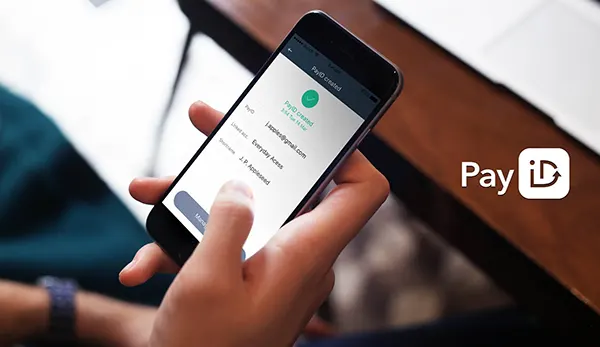
In a casino cashier, you typically select PayID or bank transfer and the casino provides a PayID (often an email address or phone number) and sometimes a business name you should expect to see in your bank’s confirmation screen. You then open your banking app, choose the PayID transfer option, enter the PayID, confirm the name that appears, add a reference if required, and send the money. If your bank supports real-time NPP payments, the transfer often reaches the recipient quickly.
The most important moment in that process is the name confirmation step. Your bank should show the registered PayID name before the payment is sent. If the name shown does not match what the casino instructed you to expect, you should stop. This check is there to protect you from sending money to the wrong recipient, whether by accident or due to manipulated cashier instructions.
Once the payment is completed, two timelines matter. The first is how quickly your bank transfers the money through the NPP. The second is how quickly the casino credits your playing balance. Even if the bank transfer arrives quickly, the casino may apply internal checks or matching steps before crediting, especially if the deposit is your first PayID payment or if the reference is missing.
Speed, fees, limits, and what “instant” really means
Many PayID payments feel instant, but it is more accurate to say they are designed for fast availability. Most participating banks can send NPP payments 24/7, which is a big difference compared to older bank transfer systems that depend on business hours. However, banks can still apply security reviews, and casinos can still delay crediting if they need to verify the sender, match references, or apply compliance checks.
Fees are usually determined by your bank account terms rather than by PayID itself. Many personal accounts do not charge for domestic PayID transfers, but there are exceptions, especially for certain business products or older account types. On the casino side, some operators treat bank transfers differently from cards, so you should always check the cashier’s deposit terms before you send a payment, even if PayID itself is typically low-cost to use.
Limits are where expectations should stay realistic. Banks set transaction and daily limits for fast payments, and these limits vary by institution and customer profile. If you attempt a deposit that exceeds your limit, the transfer may fail or require a limit adjustment inside your banking settings. For most players, PayID works best as a method for regular, controlled deposits rather than high-value one-off transfers.
First-time transfers, delays, and common troubleshooting
One common reason for a delayed PayID deposit is the first-time payee effect. Some banks apply extra checks when you send your first payment to a new PayID. This can mean additional authentication steps or a temporary delay while the bank verifies the payment. It is not always a sign that something is wrong; it is often standard risk control aimed at reducing fraud.
If the money has left your account but has not reached your casino balance, start by confirming the transaction status in your banking app. If it shows completed, you can usually generate a receipt or transaction reference. Casinos typically ask for that reference to locate the incoming payment on their side. Delays at this stage can be caused by missing references, mismatched account details, or internal processing windows for crediting deposits.
If the transfer fails entirely, the most likely causes are exceeding your payment limits, entering the PayID incorrectly, or paying to a PayID that does not accept certain payment types. In that situation, the best approach is to use the casino’s official support contact details and your bank’s official help channels. Avoid relying on links from messages or emails that claim to be “PayID support”, because PayID is accessed through your bank rather than through a separate provider contact.
Security, privacy, and safe use of PayID for casino payments
PayID can improve safety compared to sharing full bank account numbers repeatedly, because you are using a simple identifier and your bank shows the recipient name before you send. That reduces accidental payments and can help prevent certain redirection scams. However, PayID is not anonymous and it does not bypass banking controls. Your transaction will be recorded like any bank transfer, and casinos may use those records to confirm deposits, support verification steps, and meet regulatory obligations.
The biggest practical risk associated with PayID is not technical — it is behavioural. Scammers often try to rush people into transferring money by pretending that a payment is “pending” or that a receiver must pay a fee to unlock funds. PayID transfers do not work that way. If anyone tells you that you need to send money to receive money, treat it as a scam attempt and stop immediately. This is especially relevant when players are selling items online, where PayID scam scripts are widely reported in Australia.
For casino banking specifically, the safest habit is to treat PayID deposits like any other bank transfer: verify the recipient name, double-check the PayID address, and keep deposits within a planned budget. Because PayID payments can be quick, it is easy to top up without thinking. If you want more control, use your bank’s transfer limits, keep gambling funds separate from bills, and use the casino’s responsible gambling tools such as deposit caps and cooling-off features where available.
A practical checklist before you send a PayID deposit
First, confirm that the casino is providing PayID details through its secured cashier flow and not through an unverified message. PayID addresses can be copied and pasted, which reduces typing errors, but you should still cross-check them against what is displayed in your logged-in cashier. If anything looks inconsistent, stop and verify through official support channels.
Second, rely on the confirmation screen. When you enter a PayID, your bank should show the recipient name. This is your best defence against both mistakes and manipulated payee instructions. If the recipient name does not match the casino’s stated business name, do not proceed until you have clarified the mismatch.
Third, keep the process documented. Save your payment confirmation and note the reference you used. If your deposit is delayed, a clear transaction record helps the casino trace your payment quickly. This is also a good habit for budgeting, because it gives you an accurate picture of how often you deposit and how much you send over time.